Glock grip mods: stippling, tape, sleeves, backstraps and magwells
The Glock grip is the part of the pistol that owners argue about most. It is boxy, the finger grooves on Gen 3 and Gen 4 fit some hands and fight others, and the texture is fine until your hands sweat. The good news is that grip changes are mostly cheap and mostly reversible. This guide ranks them from the ones you can undo in a minute to the ones that are permanent.
Backstraps: free, if you have a Gen 4 or Gen 5
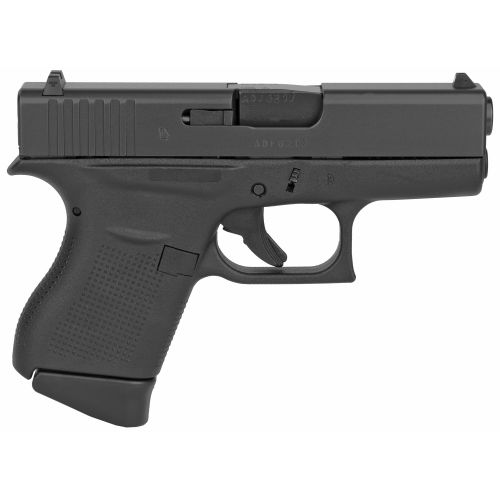
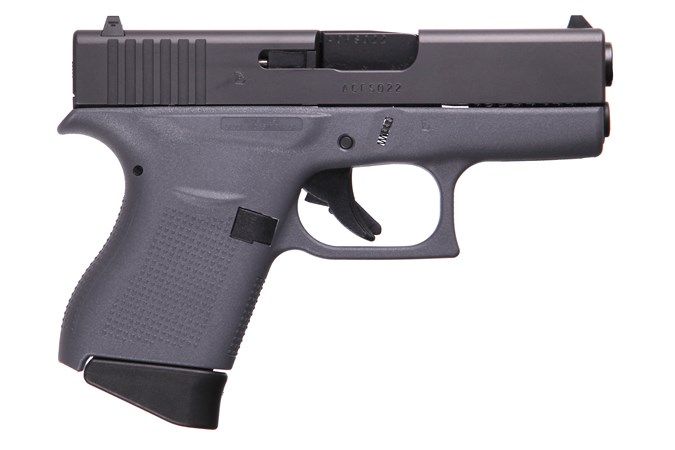
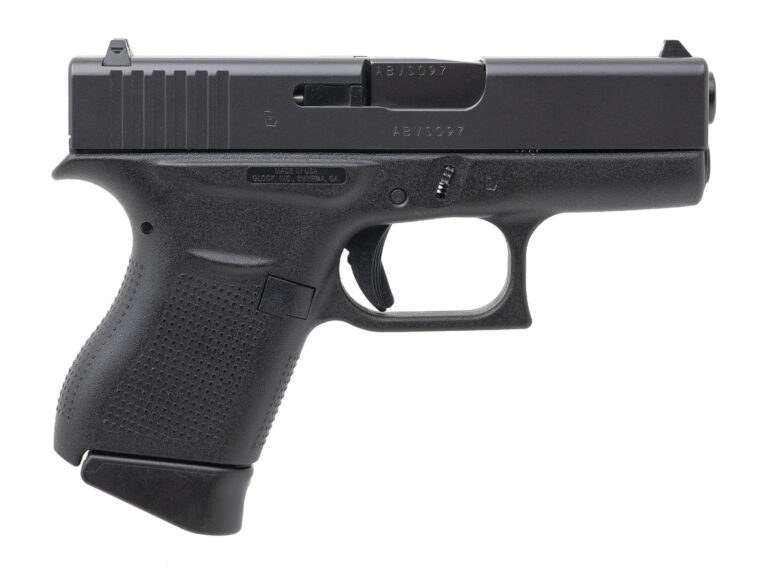
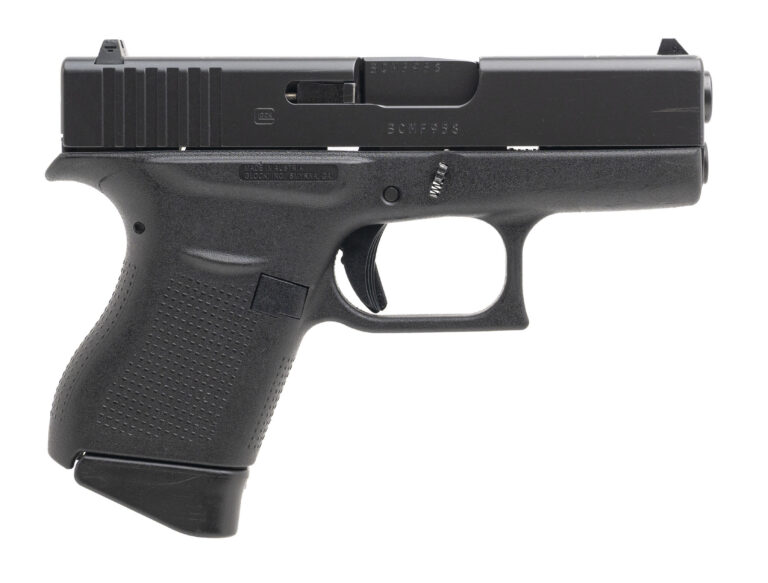
Gen 4 and Gen 5 pistols ship with a medium and a large backstrap in the box, each in a plain and a beavertail version, held by a longer trigger housing pin. The medium adds about two millimeters of length to the grip, the large about four. If your trigger finger reaches too far and the grip twists in your hand, try the base grip with no strap; if your hand is large and the pistol rolls, fit the large. The beavertail versions stop slide bite for shooters with a high grip. Gen 3 pistols have no backstraps; a rubber sleeve is the only easy way to add length there.
Grip tape and rubber sleeves
Precut grip tape in rubber or granulate texture costs little, goes on in ten minutes and peels off with heat. The granulate version grips like sandpaper and wears on clothing; the rubber version is kinder for carry. A rubber sleeve slides over the frame, adds thickness and dampens recoil, and is the usual fix for a Gen 3 grip that feels short. Both are the first thing to try, and for many shooters the last.
Magwells
A flared magwell funnels the magazine home on a reload. Gen 5 frames already have a modest flare, and aftermarket magwells for them bolt to the frame and may need a compatible floorplate to lock in. Gen 3 and Gen 4 magwells attach with a pin or a screw and vary from small carry flares to wide competition funnels. On a carry gun the magwell adds width at the bottom of the grip where it prints most; on a match gun it saves tenths on every reload. Check that your magazine floorplates fit the magwell you buy; some need extended plates.
Trigger guard undercut
An undercut removes material where the trigger guard meets the front strap so your middle finger sits higher, which lowers the bore in the hand and reduces muzzle flip. It is a permanent cut done with a file or a rotary tool, and it can weaken the guard if taken too far. Some aftermarket frames come with it. It helps shooters with large hands most and does nothing for a grip that is already high.
Extended releases and slide stops
An extended magazine release lets a shooter with a shorter thumb drop the magazine without shifting the grip; the risk is releasing it in a holster, so choose a modest extension for carry. An extended slide stop lever helps riders who use it as a release, and hurts shooters whose thumb pins the factory lever and stops the slide locking back; Gen 5 pistols have a lever on both sides, which doubles the chance of that. Try the factory parts first.
Grip plugs and thumb rests
A grip plug fills the hollow at the back of the magazine well to keep out lint and give the magazine a flat guide; it is a cosmetic and cleaning convenience more than a performance part. Thumb rests, sometimes called gas pedals, bolt to the frame or a rail and give the support thumb a shelf to push down on. They work, they are generation specific, and they will not fit most holsters, which limits them to match guns.
Stippling
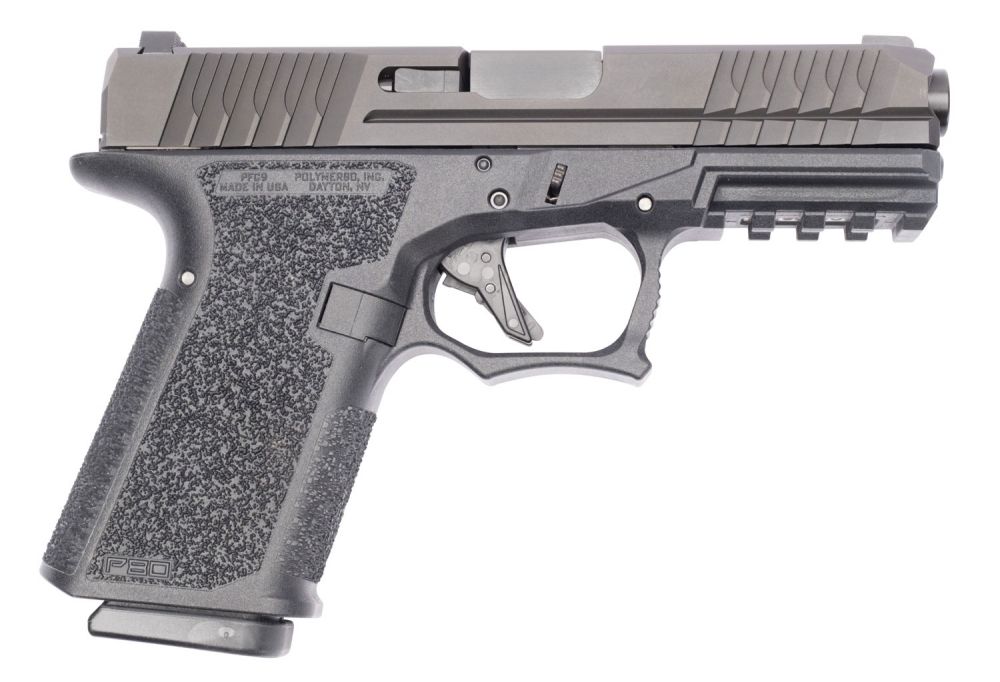
Stippling melts a pattern into the polymer with a soldering iron or a laser to add texture and, in a full job, to remove the finger grooves and reshape the grip. Done well, it is the best texture there is. Done badly, it is permanent and ugly, and it lowers resale either way. Stipple last, after tape has shown you where you want texture, and have a professional do it unless you have practiced on a spare frame. Laser stippling is more consistent than hand work and can be shallower, which suits carry.
Carry versus competition
A carry grip needs to be secure with sweaty hands and gentle on skin and clothing: rubber tape or light stippling, a modest magwell or none, factory-length releases. A competition grip can be aggressive: granulate tape or deep stippling, a wide magwell, an extended release and a thumb rest if the division allows it. Check the rulebook before you modify a match gun, since production divisions limit external changes and weight, and anything that stops the pistol fitting the box will move you to another division. Most owners end up with two pistols set up differently rather than one compromise.
Frame swaps
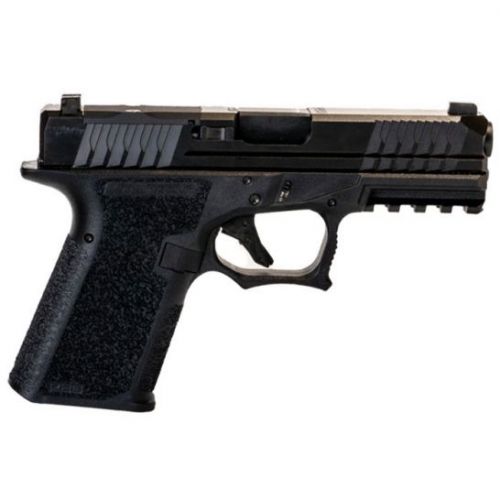
If the Glock grip itself is the problem, a different frame is the last option. Aftermarket serialized frames in the Glock pattern come with different grip angles, textures and undercuts built in, and they take Gen 3 slides and parts. A frame is a firearm and ships to a dealer, unlike everything else on this page.
Order of operations
- First: try the backstraps you already have, then tape or a sleeve.
- Second: a magwell if you reload under time, a release or slide stop if your thumb needs it.
- Last: undercut and stippling, which cannot be undone.
Grip parts ship to your door. Browse grip parts and magwells, and see where grip work sits in the upgrade order.
General information, not legal advice. Current as of September 2026. Laws change; check the official source before you act.