Glock sights: night sights, fiber optic and suppressor height
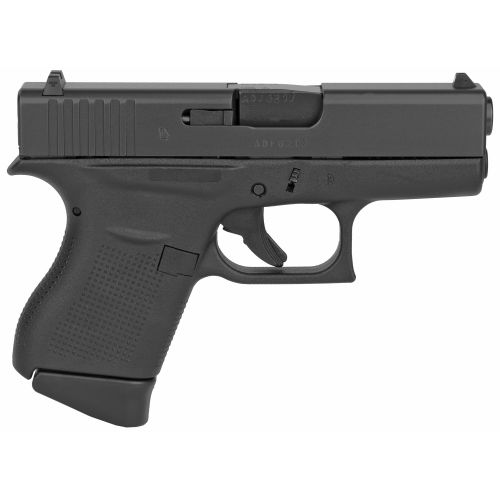
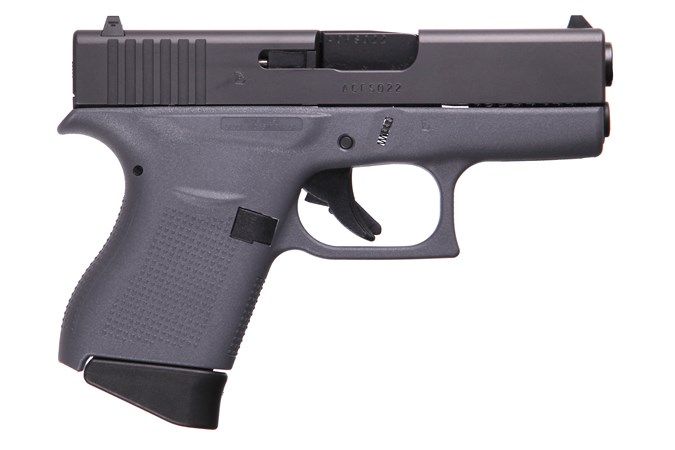
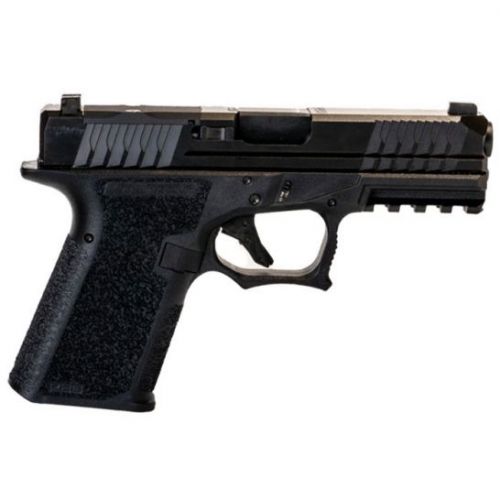
The factory Glock sights are polymer: a white-outline rear notch and a white-dot front that is really a raised plastic bump. They work in daylight and break under a sight pusher. Replacing them is the first upgrade for almost every owner, and the choice comes down to how you use the pistol: carry, home defense, range or competition. This guide explains the types, the heights, and how to install them without damaging the slide.
How Glock sights attach
The rear sight sits in a dovetail cut across the slide and is pushed in from the side; it is held by friction and, on some aftermarket sights, a set screw. The front sight is a post with a threaded stem that passes through a hole in the slide and is held by a small hex nut tightened from inside with a 3/16 inch nut driver. Every generation and model uses the same dovetail and front hole, so a sight set made for a Glock 19 also fits a 17, 26, 34 or 45, and Gen 3 sights fit a Gen 5. The slimline 43, 43X and 48 use the same dovetail but a narrower slide, so buy sights listed for those models.
Night sights
Night sights carry tritium vials that glow without batteries. Tritium's half-life is a little over twelve years, so most sets are rated for ten to twelve years before the glow fades noticeably. Three-dot sets glow front and rear; many shooters prefer a bright front with a dimmer or blacked-out rear, since the front sight is what you need to see. Look for a front vial ringed in a photoluminescent or bright painted circle, which gives a fast day sight as well as a night one. Night sights are the right choice for any pistol kept for defense.
Fiber-optic sights
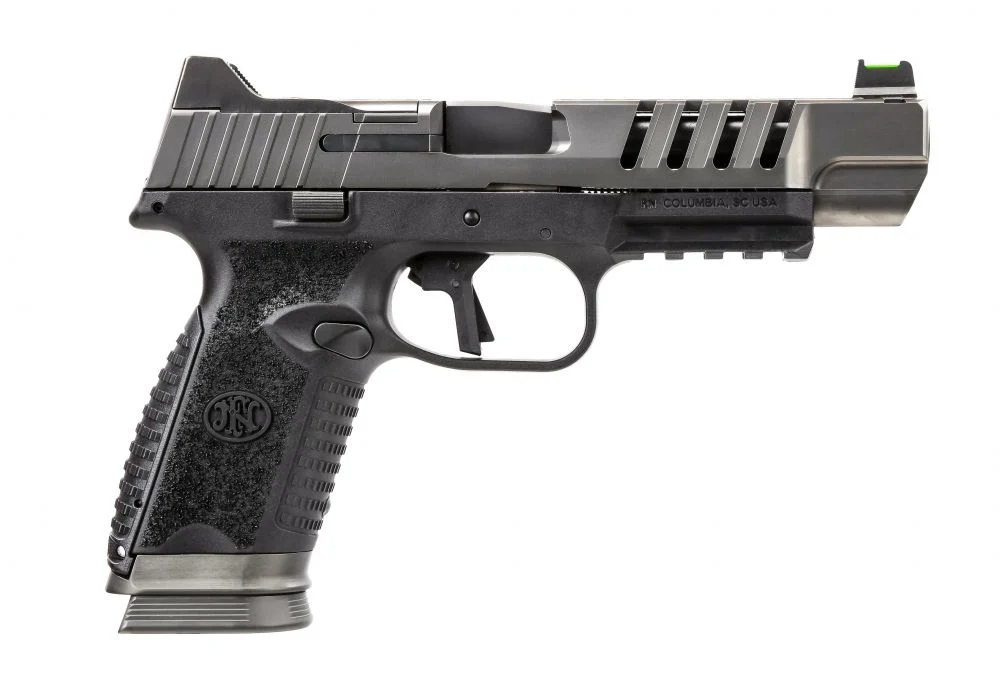
A fiber-optic front gathers ambient light into a bright red or green dot that is faster to pick up than tritium in daylight but disappears in the dark. It is the competition and range choice, usually paired with a plain black serrated rear that does not compete for attention. Fiber rods break and can be replaced for pennies. Some makers combine a fiber front with a tritium insert behind it for both jobs.
Rear sight shapes
A plain U or square notch rear with a wide gap gives a fast sight picture; a narrow notch gives a more precise one. A rear sight with a squared, vertical front face can be hooked on a belt or a boot to rack the slide one-handed, which is why many carry sights have that ledge. Serrated rear faces cut glare. Adjustable rears exist but are rare on Glocks outside bullseye shooting.
Suppressor-height and co-witness
If a red dot is in the plan, buy taller sights. Standard sights sit too low to see through most optics; suppressor-height sights, roughly .315 inch front and .400 to .420 inch rear depending on the maker, show in the bottom third of the window on common dots. That is lower-third co-witness, which most shooters prefer because the irons stay out of the way until the dot fails. Absolute co-witness, where the irons line up with the dot, needs taller sights still and depends on the optic and mounting plate height. Check the optic maker's height table before buying.
Heights and zero
Glock front sights come in heights from about .165 inch to .315 inch. A taller front lowers the point of impact; a taller rear raises it. Most factory-height combinations put a 9mm on the dot at 15 to 25 yards. If your groups are consistently high or low with new sights, change the front height by one step rather than filing anything. Windage is adjusted by drifting the rear in the dovetail; move the rear the direction you want the group to move.
Installation
Field strip the pistol. Remove the old front sight from inside the slide with the nut driver, drop the new post through the hole, and tighten the nut with a drop of blue thread locker; do not overtighten, the stem is small. For the rear, use a proper sight pusher rather than a hammer and punch, which will mar the slide and can crack a tritium vial. Push the old sight out from left to right, clean the dovetail, start the new sight by hand and push it to center. Check alignment against the front sight with the slide on the frame, then confirm at the range. If the sight is loose in the dovetail, a set screw or a light peening of the dovetail edges by a gunsmith fixes it; shims and glue do not.
Slimline and MOS pistols
The slimline 43, 43X and 48 use a narrower slide, so buy sights listed for those models even though the dovetail is the same cut; a standard rear will overhang the slide. MOS pistols with a plate fitted sit the optic higher than a direct-milled slide, so check the maker's co-witness chart for the plate and optic you use before choosing sight height. On any pistol with a dot, zero the irons first and the dot second, so the irons stay a true backup if the optic fails.
Which to buy
- Carry or nightstand pistol: tritium front with a bright ring, plain or dim rear, ledge for one-handed racking.
- Range and matches: fiber-optic front, black serrated rear.
- Red dot now or later: suppressor-height set in whichever style above.
- Slimline 43X and 48: a set listed for the slimline slide.
Sights ship to your door in every state. Browse Glock sights, see where sights fit in the upgrade order, and read the slide guide if the next step is a red dot.
General information, not legal advice. Current as of September 2026. Laws change; check the official source before you act.